Leadership in 2026 demands more than technical competence. Across sectors, organisations are recognising that strong leadership – grounded in judgement, humanity and clarity – is essential to navigating change and delivering meaningful, sustainable outcomes.
As expectations of leaders continue to rise, certain leadership capabilities are taking on greater significance in complex and uncertain environments.
Last year, RightTrack worked with Adoption England to deliver a brand-new, bespoke leadership and inclusion development programme, designed specifically to address their organisational and leadership challenges. As part of this work, we spoke with Sarah Johal MBE, National Adoption Strategic Lead at Adoption England, about the leadership skills she believes are becoming increasingly important as we move through 2026.
1. Active listening as a decision-making skill
Active listening is increasingly recognised as a core leadership capability. Leaders make better decisions when they understand how those decisions are experienced by the people affected by them.
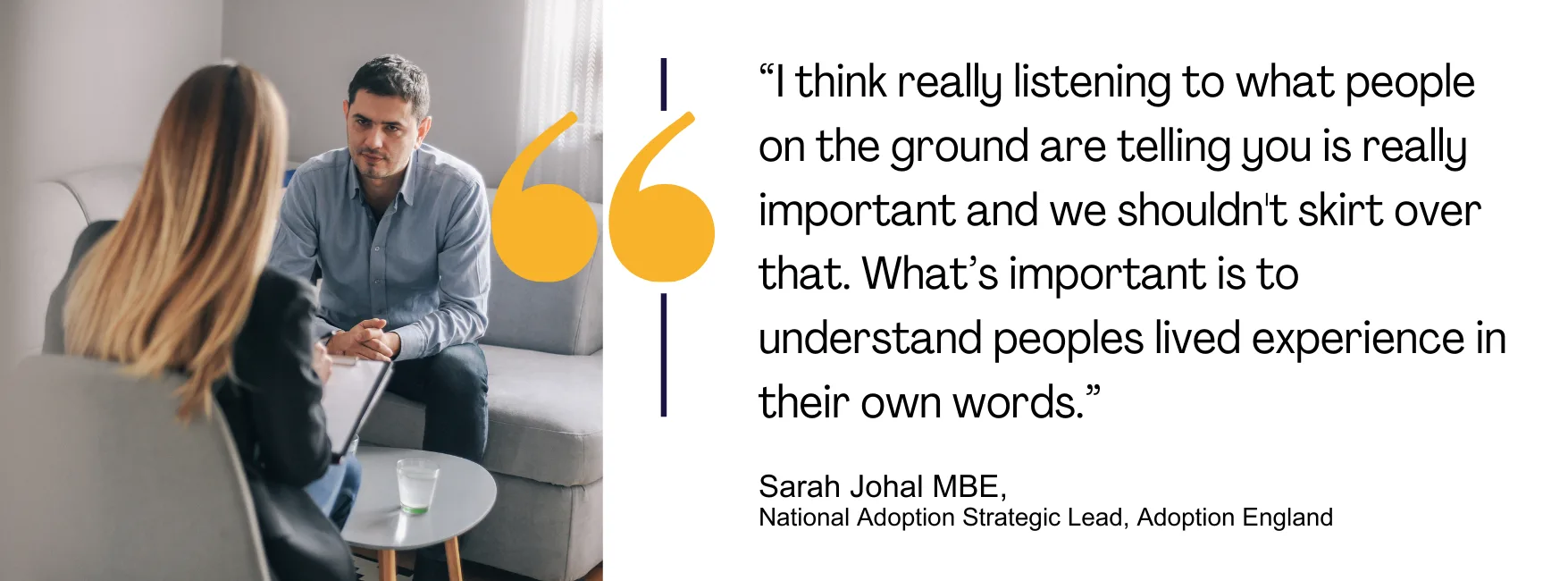
“I think really listening to what people on the ground are telling you is really important and we shouldn’t skirt over that. What’s important is to understand peoples lived experience in their own words.” – Sarah Johal MBE
Combining formal listening methods, such as customer focus groups, with informal listening like everyday conversations whilst making a coffee ensures that different perspectives meaningfully shape decision-making. In 2026, listening functions less as a soft skill and more as a decision-making discipline – reducing blind spots, strengthening trust and improving outcomes.
2. Leading through uncertainty with clarity and care
Uncertainty is no longer an occasional leadership challenge – it is a constant.
Economic pressure, workforce challenges and ongoing change mean leaders often cannot offer clear answers. But what they can offer is clarity of intent, honesty about what is not yet known and care in how change is led.
“We’re living in a very uncertain world and there’s lots of economic, cost of living and lifestyle challenges. Managing uncertainty is probably one of the biggest leadership skills where people may need support; essentially how they manage change effectively, communicate and look after people.”
– Sarah Johal MBE
This is particularly evident in the responsibility leaders carry to support people through change and to unite and empower teams during difficult periods.
Resilience is crucial for leaders in these circumstances. It allows them to make considered decisions and respond with steadiness. This inner stability underpins their ability to guide and reassure teams, even when the circumstances are unpredictable.
RightTrack Founder Kasmin Cooney OBE adds:
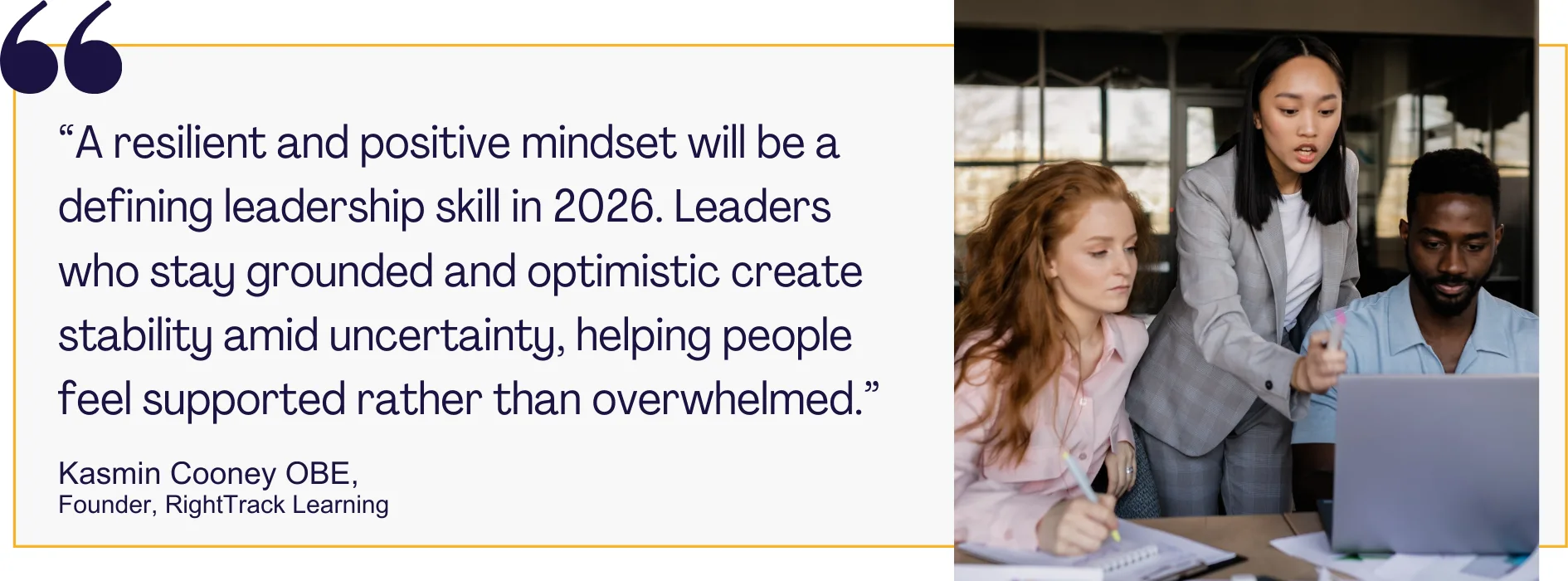
“A resilient and positive mindset will be a defining leadership skill in 2026. Leaders who stay grounded and optimistic create stability amid uncertainty, helping people feel supported rather than overwhelmed.”
In 2026, trust will be built less on having all the answers and more on how leaders show up when certainty isn’t possible.
3. Collaboration and leading beyond authority
Leadership increasingly happens beyond formal hierarchies.
Many leaders are required to influence across organisations, systems and partnerships where authority is shared or informal. This makes collaboration a core leadership skill, not a cultural ‘nice to have.’
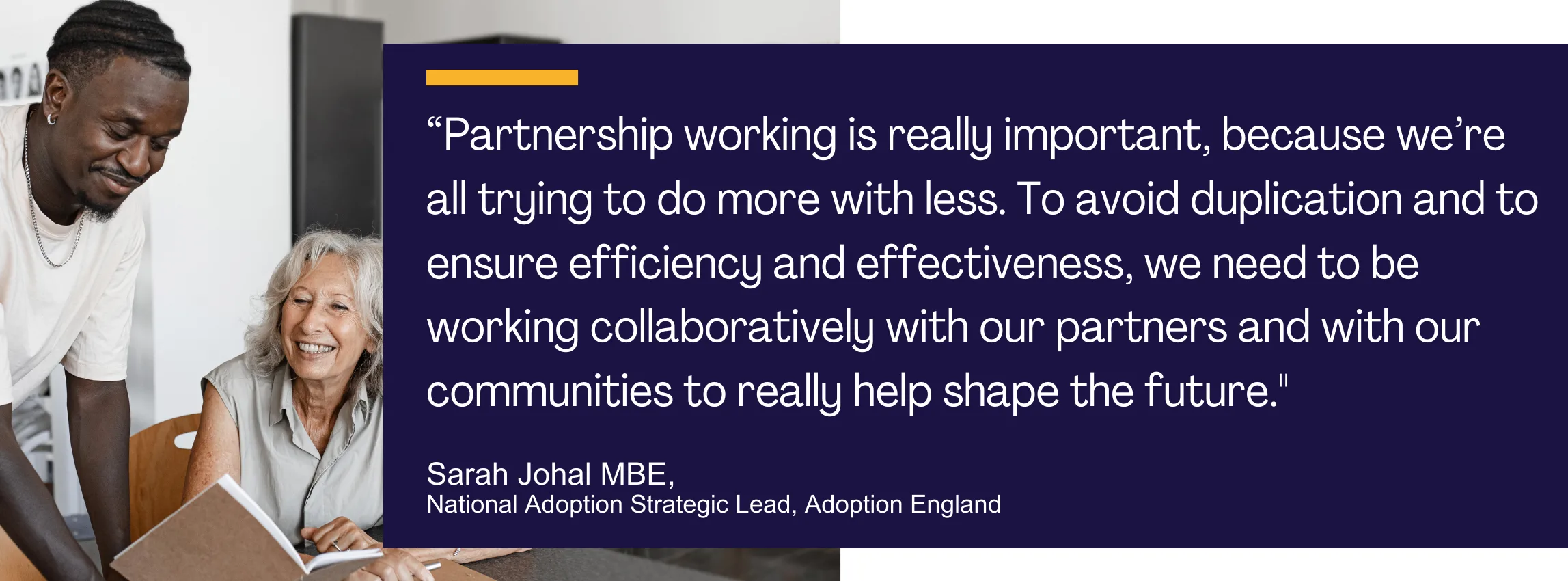
“Partnership working is really important, because we’re all trying to do more with less. To avoid duplication and to ensure efficiency and effectiveness, we need to be working collaboratively with our partners and with our communities to really help shape the future.”
– Sarah Johal MBE
Leaders who can lead through relationships rather than position will be far better placed to deliver sustainable change in 2026.
What this means for leaders in 2026
In environments characterised by pressure and complexity, leaders across sectors are increasingly having to avoid operating on autopilot and make more considered choices about how they lead.
As Sarah’s reflections highlight, leadership capabilities in 2026 that will matter most are deeply human ones: listening carefully, leading with clarity and care through uncertainty and working collaboratively beyond formal authority. These skills enable leaders to make better decisions, build trust and create the conditions for sustainable change, even when answers are incomplete and resources are stretched.
As the context continues to shift, the question is no longer whether these capabilities matter, but how deliberately they are being developed and practised in everyday leadership and how learning experiences can support leaders to apply them effectively in real-world settings.
Our work with Adoption England, alongside our wider leadership development experience, reflects what many organisations are seeing: leadership development is most effective when it is rooted in real challenges, strengthened through peer learning and focused on capabilities leaders can apply immediately in their day-to-day roles.
So, here’s a reflective question for you:
Management and Leadership Training Solutions
Whether you’re reviewing existing leadership development or exploring new approaches, an initial conversation can help clarify what will make the biggest difference for your leaders.
Book a short call or contact us today to explore how RightTrack Learning can support your leaders.